
.png)


Dujiangyan Irrigation System,
Sichuan, China
The Dujiangyan Irrigation System is one of China's most remarkable ancient engineering achievements. Built more than two thousand years ago, it continues to manage the waters of the Min River and sustain the fertile Chengdu Plain. Beyond its engineering significance, the site reflects a remarkable understanding of nature, water, and the relationship between people and their environment.
Why Visit Dujiangyan Irrigation System?
Discover the remarkable Dujiangyan Irrigation System, an ancient engineering achievement that has helped control the waters of the Min River for more than two thousand years. Combining practical water management with the surrounding natural landscape, it offers visitors a fascinating glimpse into China’s engineering heritage.
Visitors can:
-
Explore the ancient irrigation structures and waterways.
-
Learn how the system manages water and helps prevent flooding.
-
Visit key landmarks such as the Fish Mouth Levee and Flying Sand Weir.
-
Enjoy views of the Min River and the surrounding landscape.
-
Discover an important example of ancient Chinese engineering and water management.
Top Attractions
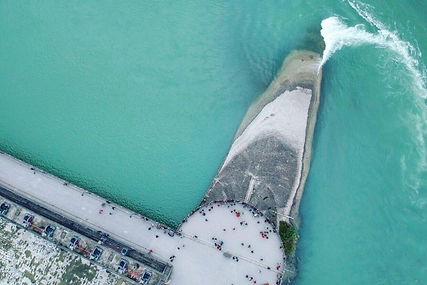
Fish Mouth Levee (Yuzui)
Discover the ingenious design of the Fish Mouth Levee, where the Min River is divided to help control floods and distribute water to the Chengdu Plain.
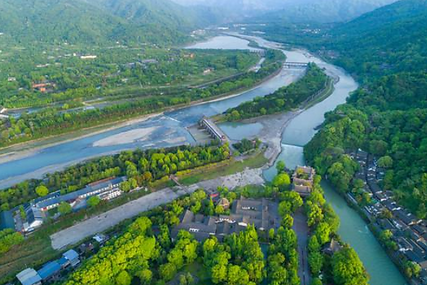
Bottle-Neck Channel
See the remarkable Bottle-Neck Channel, a narrow passage carved through the mountain to control the amount of water flowing toward the Chengdu Plain.

Flying Sand Weir
Explore the Flying Sand Weir, an important part of the ancient irrigation system that helps remove excess water and sediment from the river.

Anlan Suspension Bridge
Experience the historic Anlan Suspension Bridge as it stretches across the Min River, offering beautiful views of the river and surrounding irrigation works.
Best Time to Visit
Dujiangyan Irrigation System can be visited throughout the year, but March to May and September to November are the best times for comfortable weather and outdoor exploration. Summer offers the most powerful river flow, while autumn brings cooler conditions and colorful scenery.
Season
Spring (March–May)
Summer (June–August)
Autumn (September–November)
Winter (December–February)
Experience
Enjoy mild weather, fresh greenery, and blooming flowers around the scenic area, while the Min River flows steadily through the ancient irrigation system.
Experience the Min River at its most powerful, with higher water levels making the ancient water-control system especially impressive. The weather can be hot and rainy.
Enjoy comfortable temperatures, clearer views, and colorful autumn foliage around the river and surrounding hills, making it one of the best seasons for exploring.
Experience a quieter atmosphere with fewer visitors and cooler weather, offering a more peaceful way to explore the historic irrigation works.
Visitor Information
Location
-
Located in Dujiangyan City, Sichuan Province, approximately 55 km northwest of Chengdu.
-
Situated along the Min River at the foot of Qingcheng Mountain.
Recommended Visit Duration
-
Allow around 2–3 hours to explore the main irrigation structures and surrounding landmarks.
-
Allow additional time if you want to visit nearby temples, bridges, and riverside areas.
Difficulty
-
Easy to moderate, with considerable walking throughout the scenic area.
-
Some paths include stairs and uneven sections.
-
Comfortable walking shoes are recommended.
Suitable For
-
Families
-
Couples
-
Children
-
History enthusiasts
-
Architecture lovers
-
Photography lovers
-
First-time visitors to Dujiangyan
Travel Tips
-
Start early to enjoy the main attractions before the area becomes busier.
-
Wear comfortable walking shoes, as the scenic area covers a large area.
-
Visit key structures such as the Fish Mouth Levee, Flying Sand Weir, and Baopingkou.
-
Bring water and sun protection, especially during warmer months.
-
Allow extra time to explore the surrounding temples, bridges, and riverside scenery.
-
Combine your visit with nearby Qingcheng Mountain for a fuller day trip.
-
Avoid major holidays if you prefer a quieter experience.
Frequently Asked Questions
How does the Dujiangyan Irrigation System work?
The system uses a series of interconnected structures to control, divide, and direct water from the Min River. Its design helps manage flooding while providing water for irrigation, allowing the system to continue serving the surrounding region for more than two thousand years.
What makes Dujiangyan different from other historic attractions?
Dujiangyan is remarkable because it is not simply a historic monument—it remains a functioning water management system. Its combination of ancient engineering, natural scenery, and continuing practical use makes it a unique cultural attraction.
What are the main structures to see?
Key features include the Fish Mouth Levee, Flying Sand Weir, and Baopingkou. Together, these structures demonstrate the innovative approach used to control and distribute river water.
Is a guide recommended for the Dujiangyan Irrigation System?
A guide is not necessary for visitors who simply want to explore the main structures, as the scenic area is accessible through established routes. However, a guide is highly recommended for visitors interested in understanding how the ancient irrigation system works and the history behind its major structures.
Explore Dujiangyan Irrigation System with Aether Tours
Discover the remarkable engineering and history of the Dujiangyan Irrigation System with a thoughtfully planned journey through one of Sichuan's most important cultural landmarks. Explore its ancient waterworks, enjoy views of the Min River, and learn how this remarkable system continues to influence the surrounding region. Whether you're interested in history, engineering, culture, or scenic travel, Dujiangyan offers an unforgettable experience.
Ready to explore? Contact Aether Tours today and let us create a seamless and memorable journey through the historic landscapes of Dujiangyan.