


Dance of the Dragon, Rain of Fire: A Night with Sichuan’s Burning Dragons

Deep in the historic heart of Sichuan, as the lunar calendar marks the peak of traditional festivities, the night sky transforms into a canvas of molten gold. If you think you’ve seen a dragon dance, think again. The Sichuan Fire Dragon Festival (locally known as Shaohuolong) is not just a performance—it is a breathtaking, heart-pounding spectacle of courage, heat, and ancient heritage.
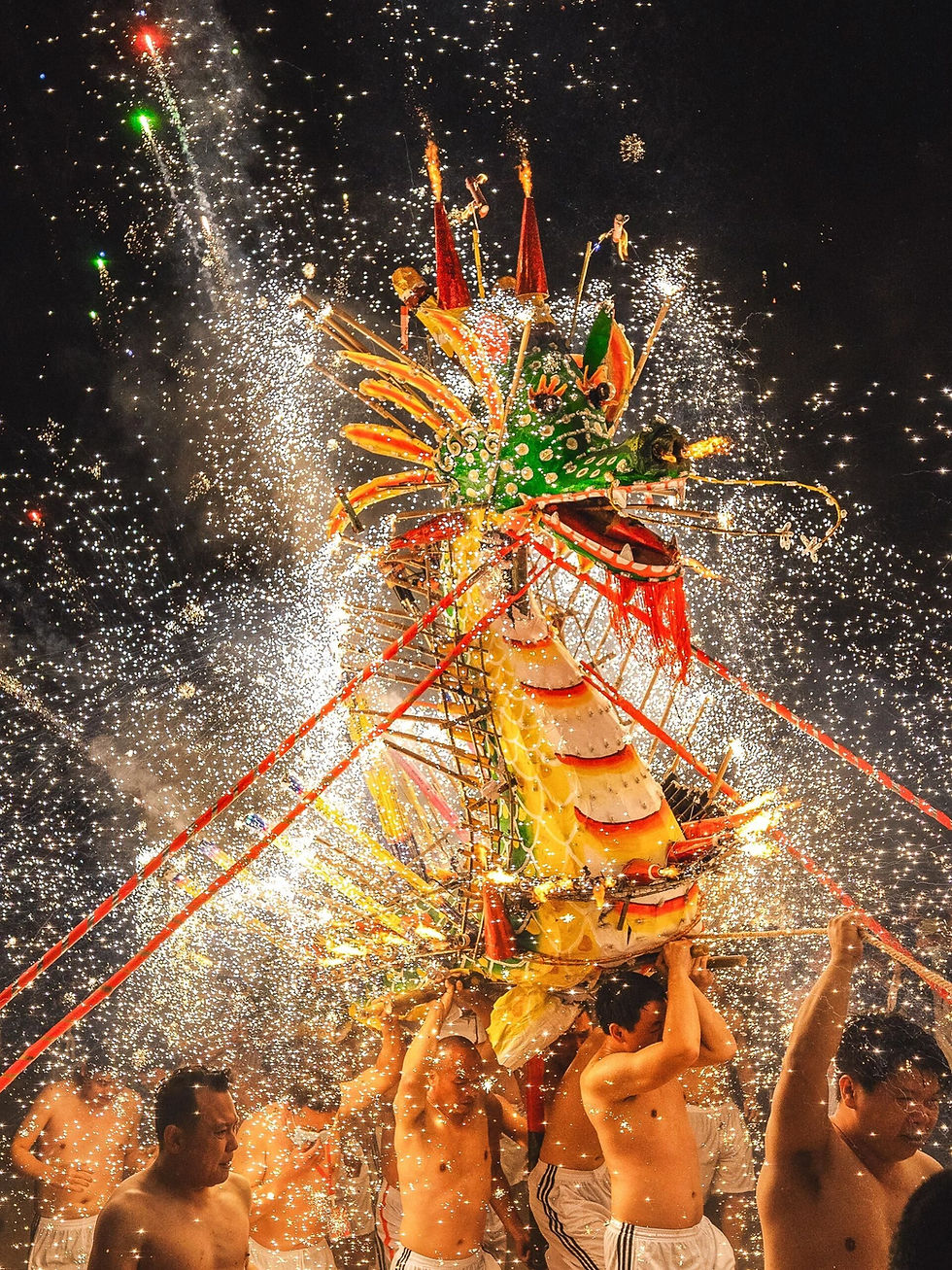
The Healing Dragon: Legend has it that during a severe drought and plague in ancient times, a dragon appeared to bring rain. However, the dragon fell ill after its hard work. To heal the creature and drive away the "pestilence," the villagers used bamboo to build a dragon and lit firecrackers to warm its body and "scare off" the illness. Miraculously, the plague vanished. Today, the fire represents purification and the dispelling of bad luck.
The Iron-Making Heritage: In ancient Sichuan, particularly in salt-mining and blacksmithing hubs, molten iron was a symbol of industry and power. Blacksmiths began "casting flowers of iron" (Dashuhua) to celebrate the New Year. Because they were often too poor to afford expensive fireworks, they discovered that splashing molten iron created a display even more magnificent than any cracker—a tradition of the "common man" that became a legendary art form.

The magic begins with a furnace. Iron is heated to a staggering 1,500°C until it turns into a glowing liquid. In an incredible display of skill known as Dashuhua, local artisans use wooden paddles to strike the molten iron high into the air.

As the liquid metal hits the cool night air, it explodes into thousands of shimmering sparks, raining down like a golden waterfall. Through this "fire rain," the dragon—a long, vibrant creature held aloft by brave, shirtless performers—charges forward, weaving through the heat and light.
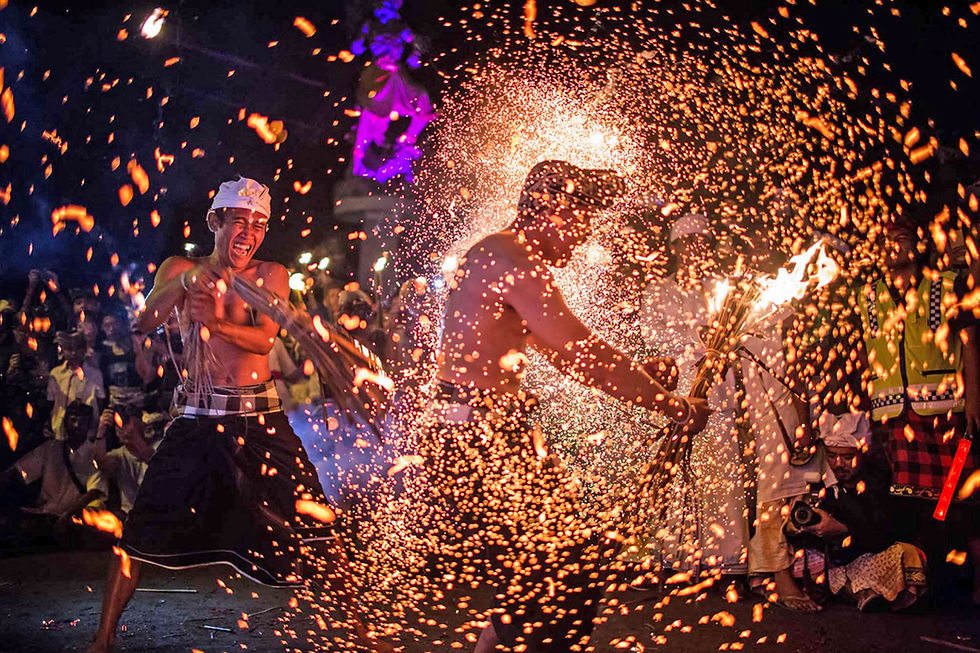
In Sichuan culture, the fire is believed to drive away evil spirits and bring a bountiful harvest. Being showered by the "light" (safely, from a distance!) is considered a blessing for the coming year.

Pro Tips for Travelers
When to go: The festival usually peaks during the Lantern Festival (the 15th day of the Lunar New Year), though dates vary by local village traditions.
What to wear: Wear something you don't mind getting a tiny bit of ash on, and bring a zoom lens to capture the action from a safe distance.


Comments