
.png)


Qingcheng Mountain, Dujiangyan, Sichuan, China
Qingcheng Mountain is known for its peaceful forests, ancient temples, and deep connection to Taoist tradition. Considered one of the important birthplaces of Taoism, the mountain combines spiritual heritage with dramatic natural scenery. Shaded pathways, quiet temples, and mist-covered peaks create an atmosphere that feels far removed from the busy world below.
Why Visit Qingcheng Mountain?
Discover the tranquil beauty of Qingcheng Mountain, a scenic destination known for its lush forests, peaceful trails, and historic Taoist temples. Surrounded by misty peaks and dense greenery, the mountain offers visitors a relaxing way to experience both nature and traditional Chinese culture.
Visitors can:
-
Explore scenic mountain trails surrounded by lush forests.
-
Visit historic Taoist temples and cultural landmarks.
-
Enjoy peaceful views of the mountain’s valleys and wooded slopes.
-
Experience the quiet atmosphere of one of China’s famous Taoist mountains.
-
Capture memorable photos of Qingcheng Mountain’s natural and cultural scenery.
Top Attractions

Jianfu Palace
Discover the historic beauty of Jianfu Palace, an ancient Taoist temple surrounded by lush forests and peaceful mountain scenery.

Shangqing Palace
Discover Shangqing Palace, a historic Taoist temple set high on the mountain, offering beautiful views and a peaceful escape among the forests.
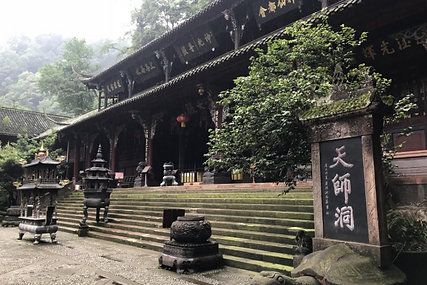
Tianshi Cave
Explore Tianshi Cave, an important Taoist site where visitors can experience its historic temples, tranquil surroundings, and spiritual atmosphere.

Laojun Pavilion
Enjoy the scenic beauty of Laojun Pavilion, a traditional Taoist landmark offering panoramic views of Qingcheng Mountain and the surrounding landscape.
Best Time to Visit
Qingcheng Mountain is beautiful throughout the year, but March to May and September to November are generally the best times to visit for comfortable hiking conditions and scenic mountain views. Each season offers a different experience, from fresh spring greenery to colorful autumn forests.
Season
Spring (March–May)
Summer (June–August)
Autumn (September–November)
Winter (December–February)
Experience
Experience fresh greenery, blooming flowers, and flowing streams as the mountain comes alive. Mild temperatures also make this a comfortable season for hiking.
Enjoy lush forests, cool mountain air, and fuller streams and waterfalls. The mountain provides a refreshing escape from Chengdu's summer heat, although rain showers are more common.
See the mountain surrounded by golden, orange, and red foliage while enjoying cooler temperatures and clearer conditions, making this one of the most scenic times to visit.
Discover a quieter and more peaceful side of the mountain, with misty forests, tranquil temples, and occasional snow on the higher areas.
Visitor Information
Location
-
Located in Dujiangyan City, Sichuan Province, approximately 65 km northwest of Chengdu.
-
Known as one of China’s important Taoist mountains.
Recommended Visit Duration
-
Allow around 4–6 hours to explore the main scenic areas.
-
Allow a full day if you plan to hike more extensively or visit additional temples.
Difficulty
-
Moderate, with many stairs, slopes, and uneven mountain paths.
-
The climb can be physically demanding depending on the route selected.
-
Comfortable hiking shoes are recommended.
Suitable For
-
Families with older children
-
Couples
-
Hikers
-
Nature lovers
-
Cultural enthusiasts
-
Photography lovers
-
Outdoor adventure seekers
Travel Tips
-
Start early to allow enough time for hiking and sightseeing.
-
Wear comfortable shoes with good grip for the mountain paths and stairs.
-
Bring water and snacks, especially if you plan to spend several hours on the trails.
-
Bring sun protection and a light rain jacket because mountain weather can change quickly.
-
Take regular breaks during steeper sections of the trail.
-
Allow extra time to visit the historic Taoist temples along the route.
-
Consider using the cable car where available if you want to reduce the amount of uphill walking.
Frequently Asked Questions
What is Qingcheng Mountain known for?
Qingcheng Mountain is known for its lush forests, peaceful mountain scenery, and strong connection with Taoism. Its historic temples and cultural sites are integrated into the natural landscape, creating a distinctive combination of nature and heritage.
Can I visit the temples on Qingcheng Mountain?
Yes. Several historic Taoist temples and cultural landmarks can be visited along the scenic routes. Visitors can combine mountain sightseeing with opportunities to learn about the area's religious and cultural heritage.
Can visitors take a cable car at Qingcheng Mountain?
A cable car is available on the front mountain route and can help reduce the amount of uphill walking. Visitors can combine the cable car with walking routes to experience more of the mountain scenery.
Is a guide recommended for Qingcheng Mountain?
A guide is not necessary for visitors following the main sightseeing routes, but it can be valuable for those interested in Taoist history, temples, and local culture. A knowledgeable guide can provide context that may otherwise be missed while exploring the mountain.
Explore Qingcheng Mountain with Aether Tours
Experience the tranquil beauty of Qingcheng Mountain with a thoughtfully planned journey through one of China's renowned Taoist mountains. Explore forested trails, historic temples, and peaceful mountain scenery while discovering the cultural heritage of the area. Whether you're interested in nature, history, or a relaxing mountain escape, Qingcheng Mountain offers a memorable experience.
Ready to explore? Contact Aether Tours today and let us create a seamless and memorable journey through the beautiful landscapes of Qingcheng Mountain.